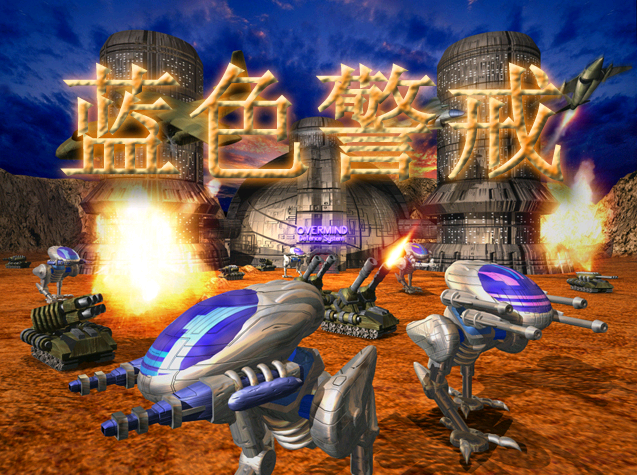
Based on the most common reference, "State of War" likely refers to the 2002 real-time strategy (RTS) game developed by DreamCatcher Interactive and published by Wanadoo Edition. Here's a breakdown of what this game is about:
- Genre: Real-Time Strategy (RTS)
- Release Year: 2002
- Developer: DreamCatcher Interactive (specifically, their internal team)
- Publisher: Wanadoo Edition (in Europe), DreamCatcher Interactive (in North America)
- Platforms: Microsoft Windows (PC)
Gameplay & Setting
- Setting: A near-future sci-fi world. Humanity has fractured into several powerful factions fighting for control of Earth and other planets.
- Factions: Typically features 3 distinct factions (e.g., "The Alliance," "The Consortium," "The Rebellion"), each with unique units, structures, and technologies.
- Core Mechanics:
- Resource Gathering: Players collect resources (usually "Energy" and "Minerals") to build structures and train units.
- Base Building: Construct and upgrade various structures (Command Center, Barracks, Factories, Power Plants, etc.).
- Unit Production: Train diverse military units (infantry, vehicles, aircraft, sometimes naval units) and special heroes.
- Tech Tree: Research upgrades and new technologies to gain advantages.
- Combat: Real-time tactical battles involving formations, unit types (counters), special abilities, and hero units.
- Campaign: Features a single-player campaign following one faction's story through a series of missions.
- Skirmish/Multiplayer: Includes skirmish modes against AI and multiplayer support (LAN or online via services like GameSpy).
Key Features
- Large Scale: Known for featuring large numbers of units on screen simultaneously.
- Unit Variety: Offers a wide array of units and vehicles for each faction.
- Heroes: Powerful hero units with unique abilities play a significant role.
- Focus on Action: While it has base-building and tech, the gameplay often emphasizes large-scale combat and tactics over deep economic micromanagement compared to contemporaries like StarCraft or Age of Empires.
- Atmospheric Presentation: Utilized pre-rendered cutscenes and a sci-fi aesthetic.
Reception
- Mixed to Average Reviews: Upon release, "State of War" received generally mixed to average reviews.
- Criticism: Common criticisms included AI issues, somewhat dated graphics even for 2002, repetitive gameplay, and a lack of innovation compared to top-tier RTS titles. The story was often seen as generic.
- Praise: Some reviewers appreciated the large-scale battles, the variety of units, and the action-oriented gameplay.
- Niche Appeal: It gained a small cult following among fans of action-focused RTS games or those looking for a sci-fi alternative to more popular titles.
Availability
- Digital: It can sometimes be found on GOG.com (Good Old Games) as part of their classic/abandonware section. Check GOG for official availability.
- Physical: Original CD copies are rare but can sometimes be found on second-hand markets like eBay.
- Abandonware: As an older title, it's often considered abandonware, meaning it's no longer officially sold or supported, making digital downloads from sites like GOG the easiest legal option.
Important Distinction: "State of War" (2014)
- There is also a much lesser-known indie game titled "State of War" released in 2014 by developer Ravenscourt. This is a tactical strategy game with a modern military setting, focusing on squad-based combat and cover mechanics. It's completely unrelated to the 2002 RTS. If you meant this game, the details above do not apply.
In summary: If you're asking about the 2002 PC game "State of War", it's a sci-fi real-time strategy game known for large-scale battles, multiple factions, and an action-focused style, though it received mixed reviews upon release. It's primarily available on GOG or as abandonware. If you meant the 2014 tactical game, that's a different title entirely.